Sham Lab · Microbiology & Immunology · NUS
How bacteria build their cell envelope
Streptococcus pneumoniae hides inside a sugar coat, the capsule. We work out how the cell makes it, how it fits that coat around a dividing cell, and which genes it cannot live without, to find new ways to prevent and treat pneumococcal disease.
| insertions · gaps: essential genes · chords: interactions · illustrative
Why it matters
A sugar coat that decides who lives
Pneumococcus is a leading cause of pneumonia, child mortality and years of life lost worldwide, killing roughly 700,000 people each year. To establish an infection it builds a capsular polysaccharide (CPS) that shields it from the immune system.
Because the capsule is the outermost layer of the cell, it sets how the bacterium looks to the host, and every clinically used pneumococcal vaccine targets it. We combine genetics, systems biology, biochemistry and cell biology to learn how the capsule is made and controlled in space and time, and how that knowledge can be used for glycoengineering, vaccines and drugs.
Research overview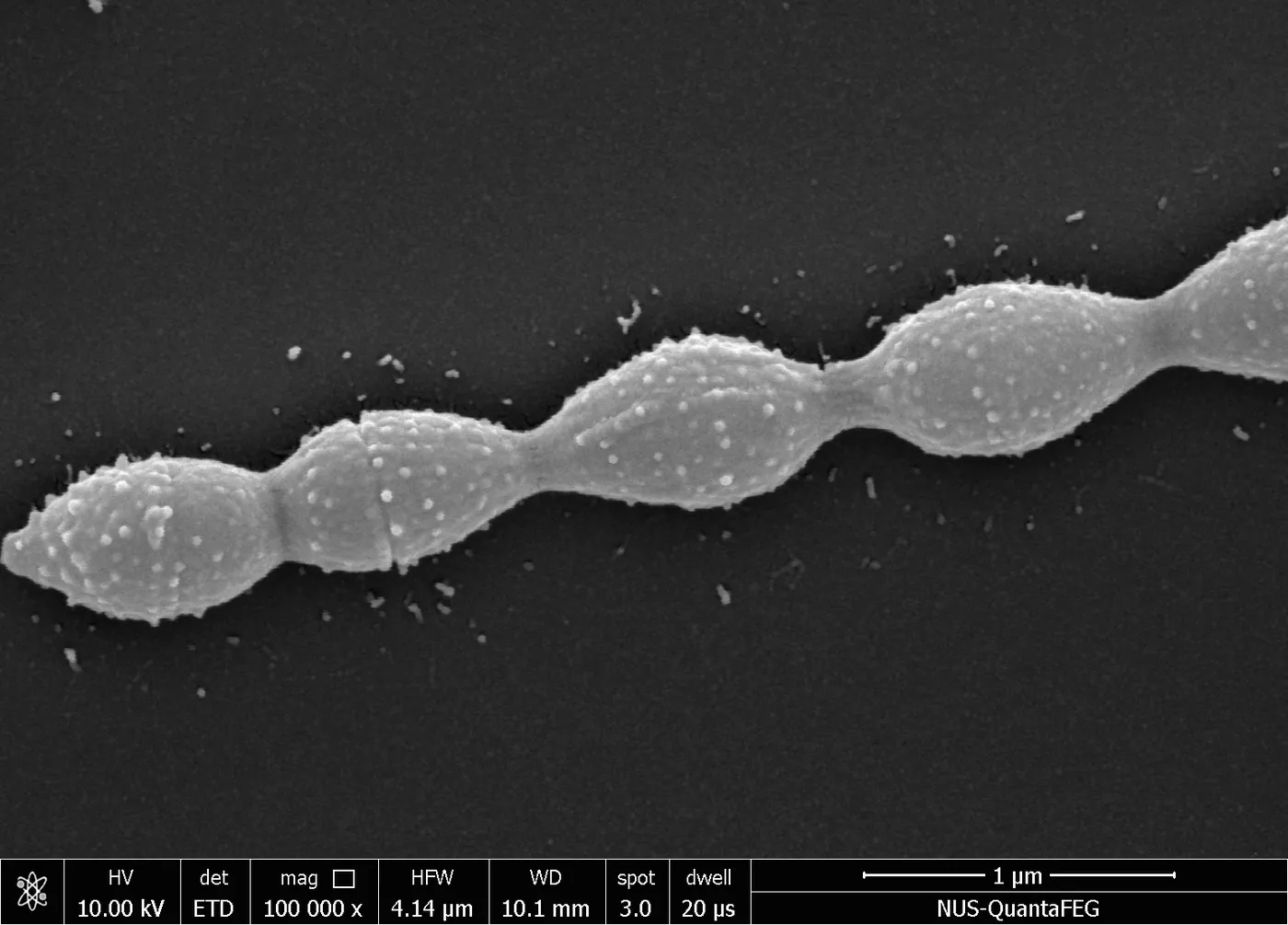
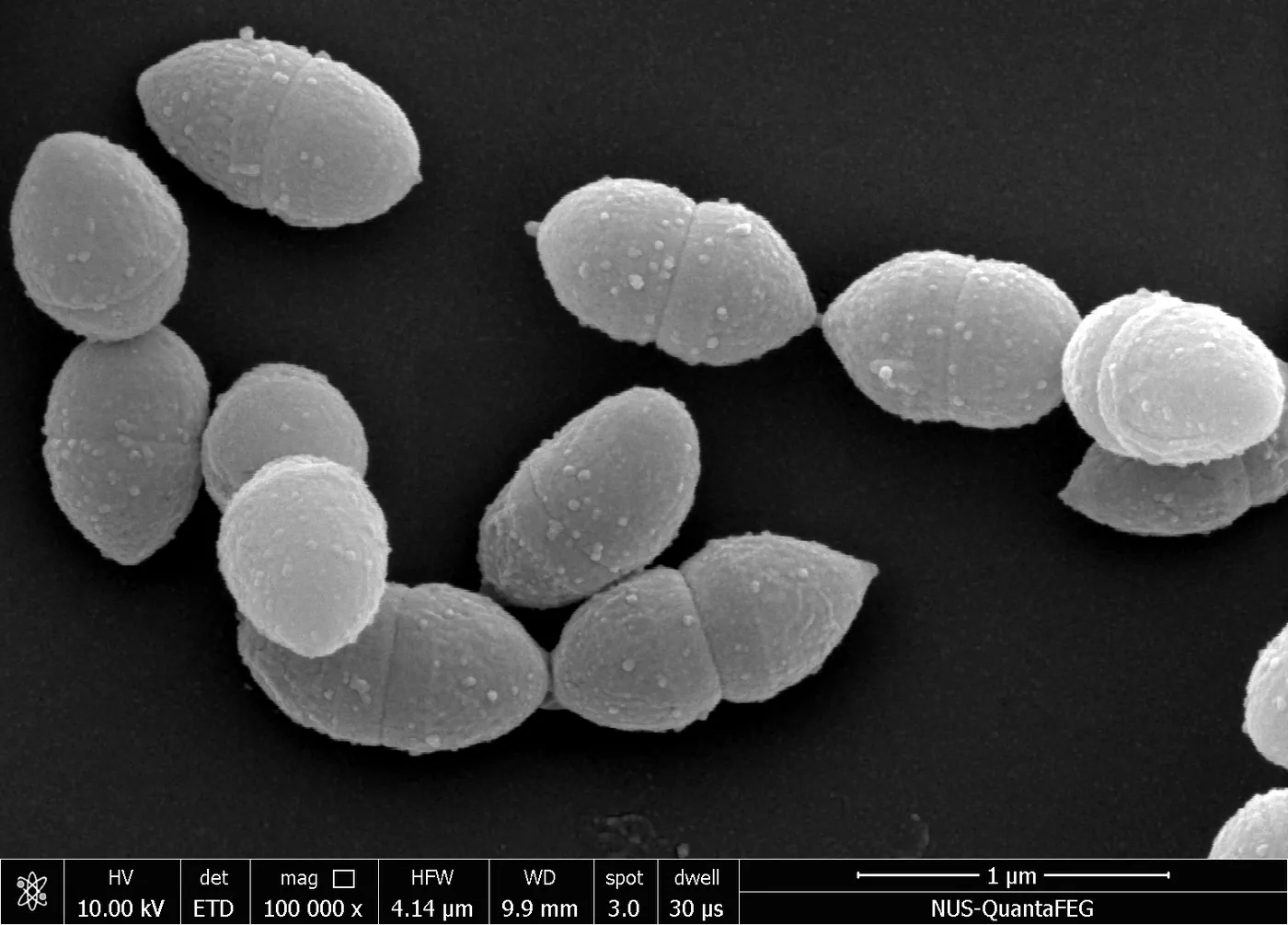
Research themes
Four questions we work on
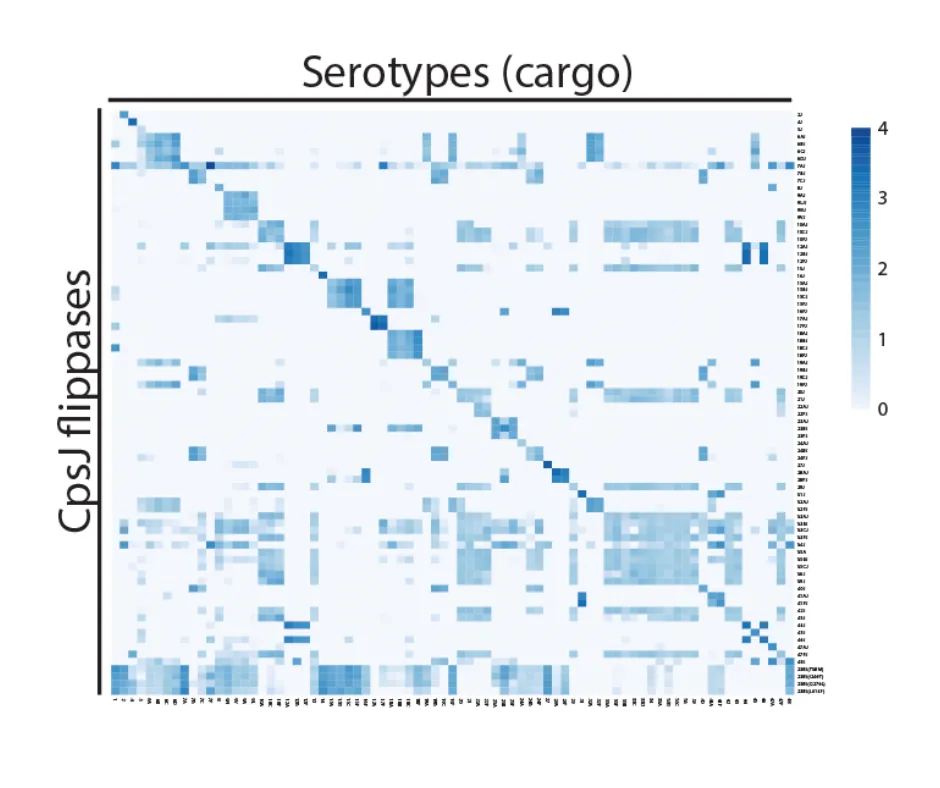
Defining the specificity of capsule enzymes
Which sugars go where, and why. Rules for glycosyltransferases and flippases, and enzymes rewired to make new glycans.
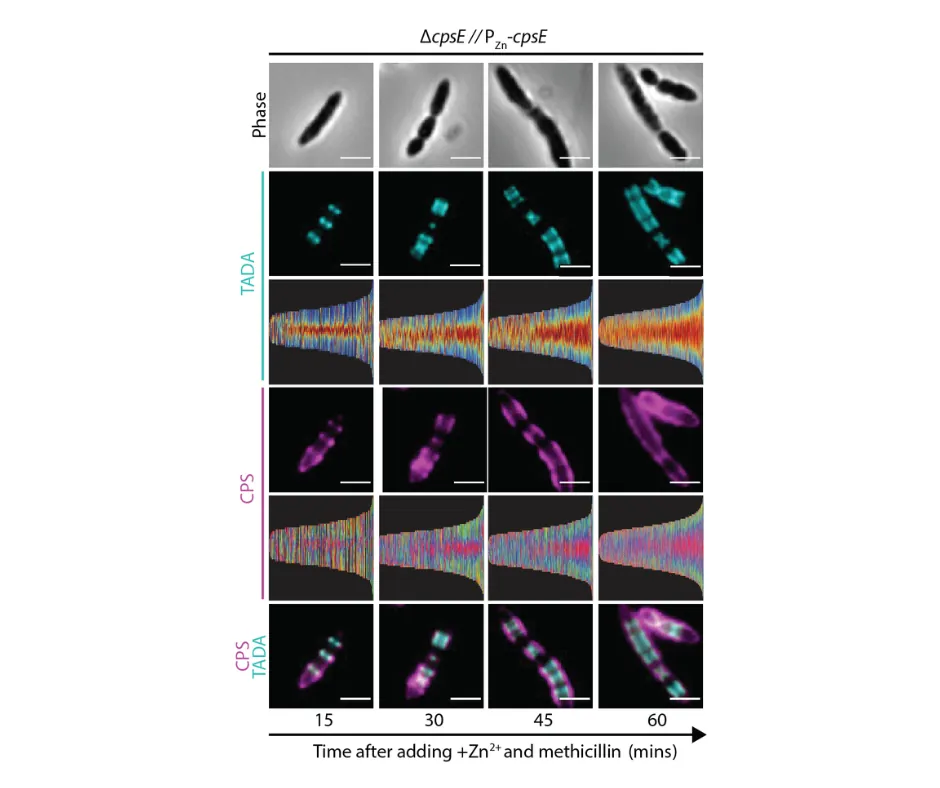
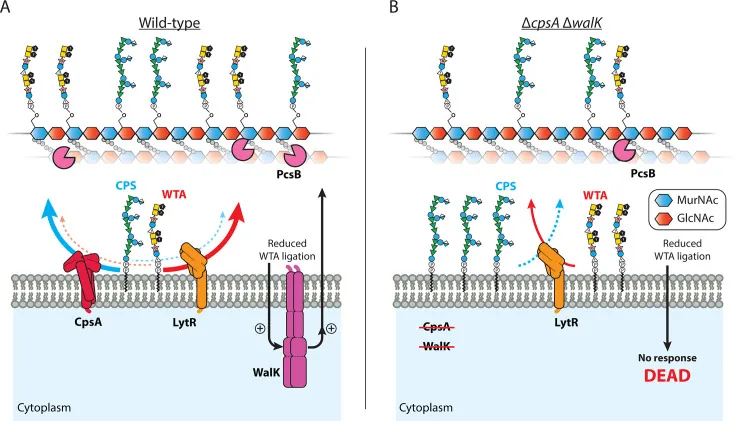
Coordinating capsule and cell wall assembly
How the capsule machine docks onto the division ring so the new septum is never left exposed.
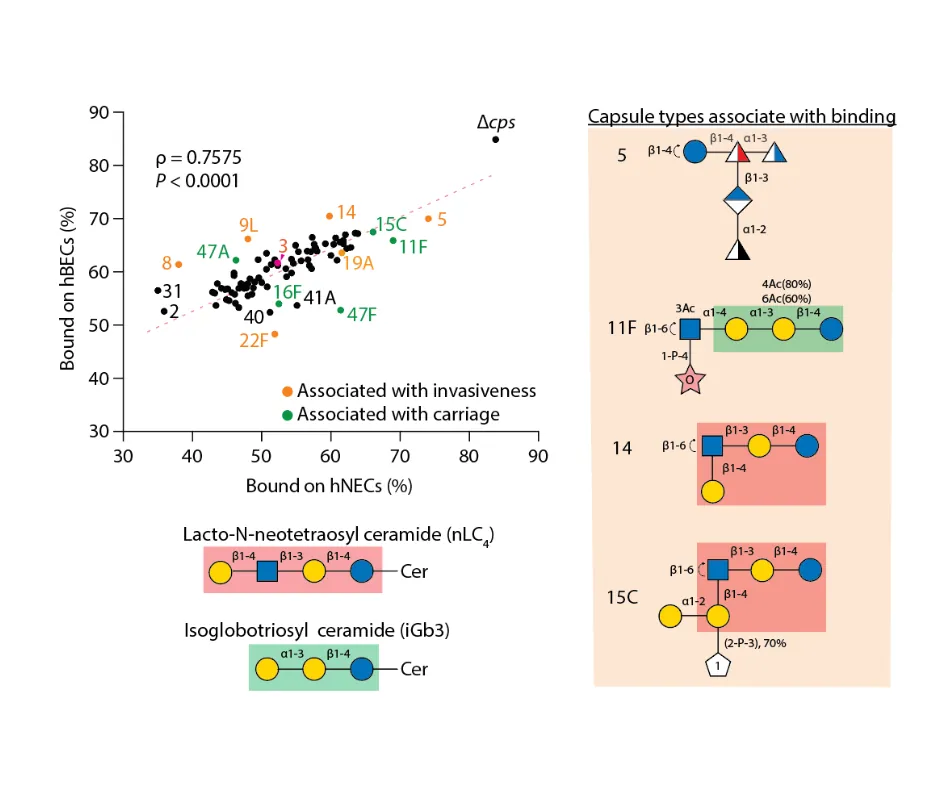
Linking capsule structure to function
How the fine structure of a glycan changes adhesion to human airway cells and escape from immunity.
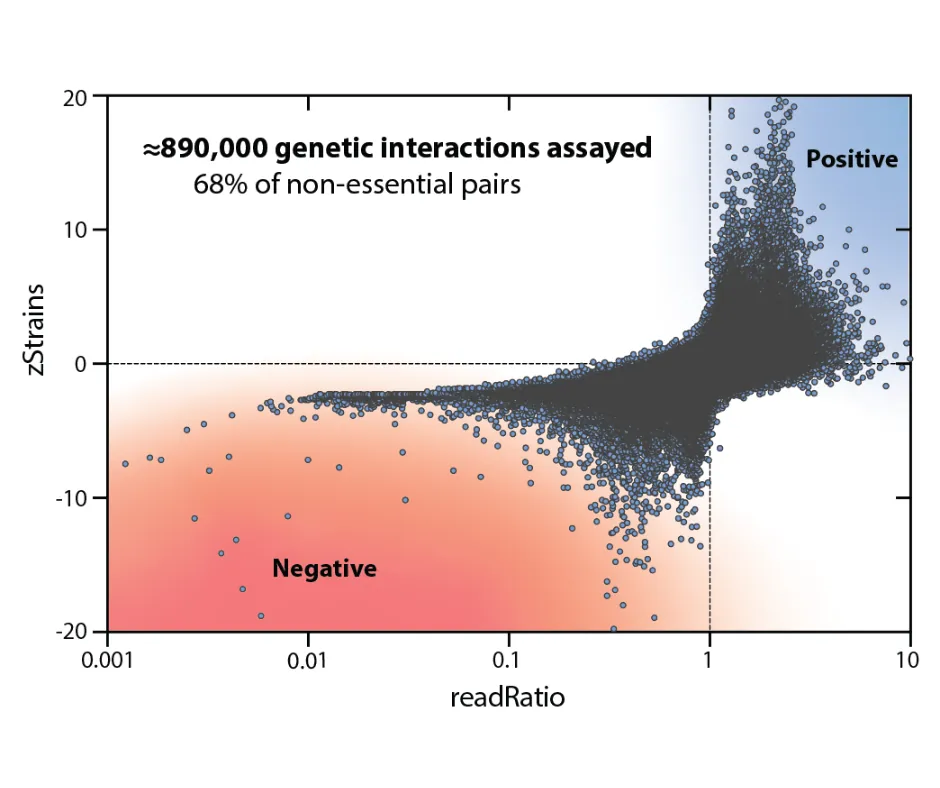
Reinventing systems biology
Dual Tn-seq maps genetic interactions across most of the genome, and turns up new biology in well-studied pathways.
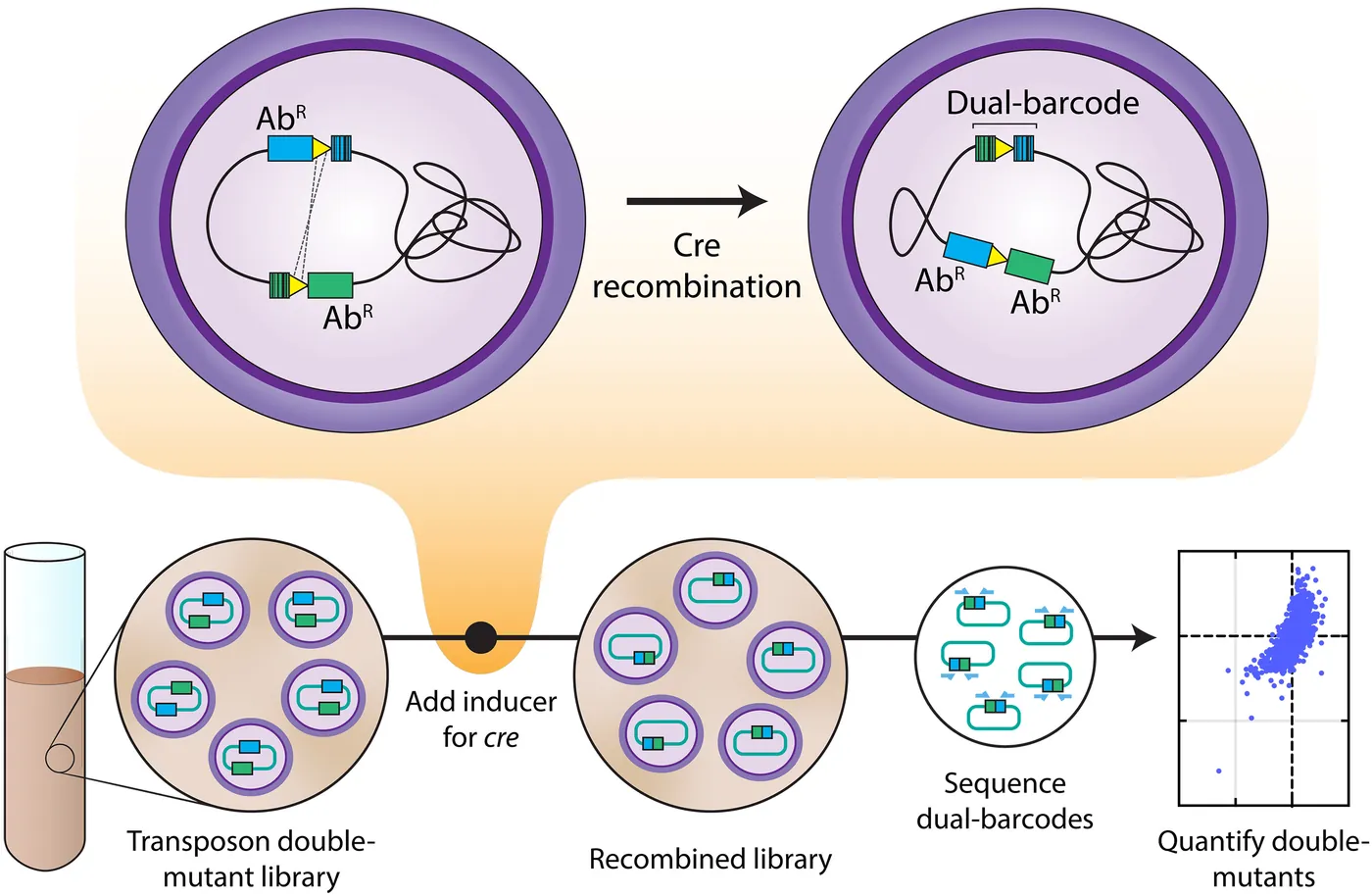
Featured · Science 2025
Mapping genetic interactions across a whole genome
Dual transposon sequencing builds pools of double mutants and reads them out with paired barcodes. In S. pneumoniae it sampled 73% of the 1.3 million possible double gene deletions, and turned up new players in pathways long thought to be understood.
News
Latest from the lab
- 2026
- 2026
- 2026
- 2025
Recent papers
Selected publications
Join the lab
We welcome motivated postdoctoral fellows, research staff and students who want to work on bacterial cell biology, glycobiology and functional genomics.