Research

From single enzymes to whole-genome interaction maps

We study how glycans on the bacterial surface shape disease and immunity, and use systems biology to find genetic weak points that could guide new drug screens. The aim is to answer basic questions in cell biology and turn the answers into ways to prevent and cure infection.

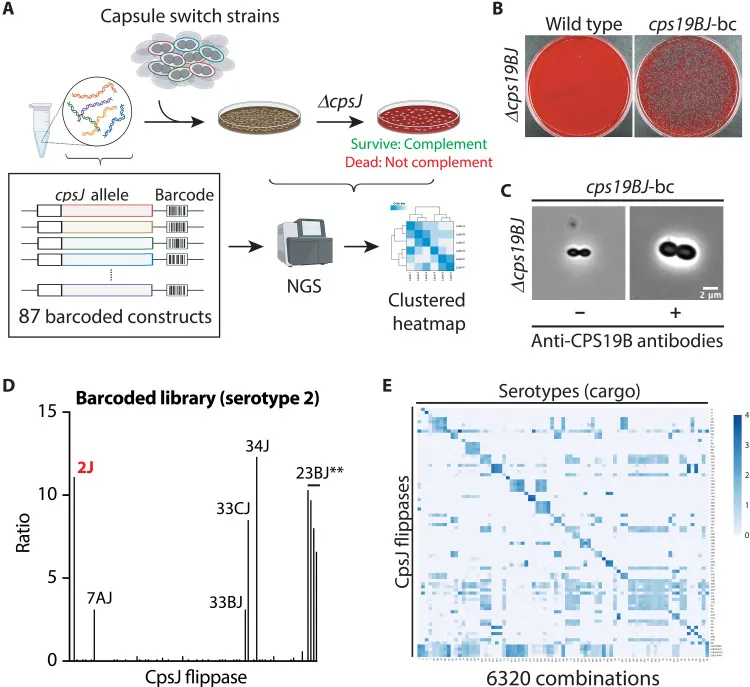
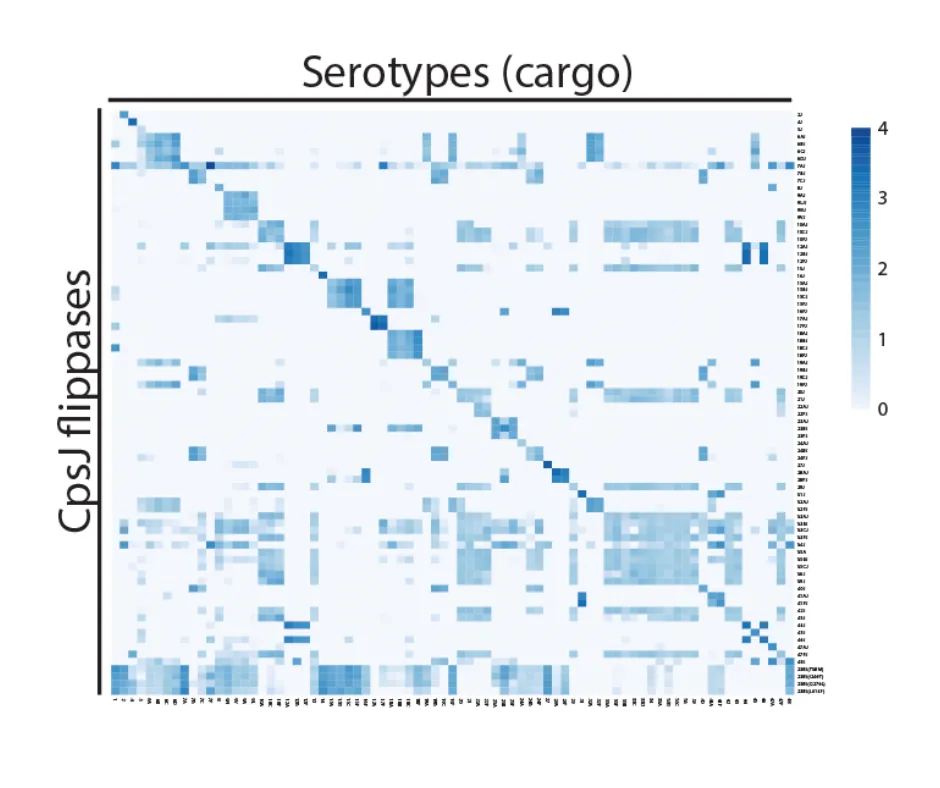
Heatmap of capsule flippases against capsule serotype cargoes, showing which flippases can transport which precursors

Theme 01

Defining the specificity of capsule enzymes

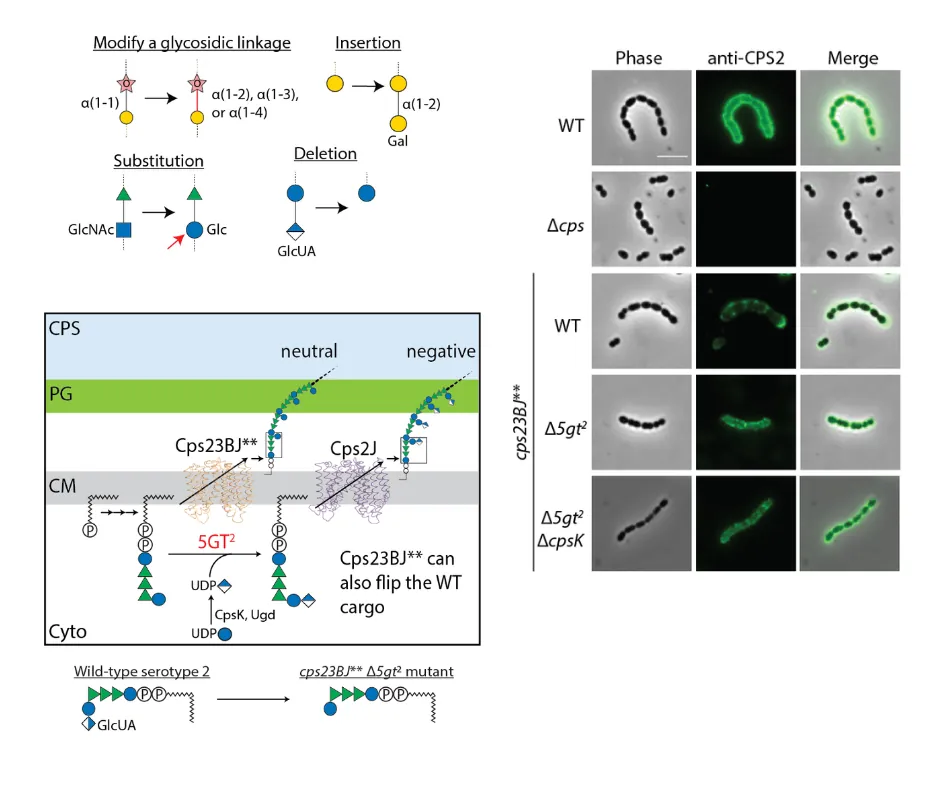
The specificity of capsule enzymes governs what is placed on the protective capsule of the pneumococcus. We pioneered massively parallel approaches to test whether glycosyltransferases and flippases are interchangeable. This work revealed the rules behind each enzyme's selectivity and identified variants that relax or impose specificity. That knowledge underpins tools for engineering glycans: with this platform we have produced medically relevant mammalian glycans, including blood group antigens, the Galili antigen and Lewis antigens.

Related papers

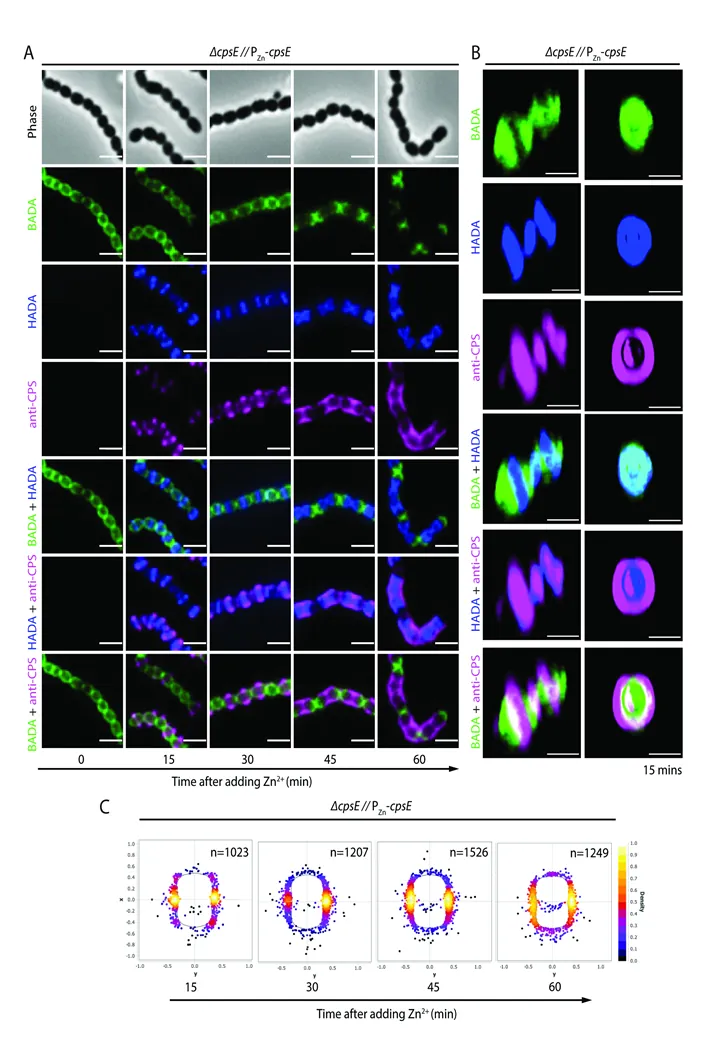
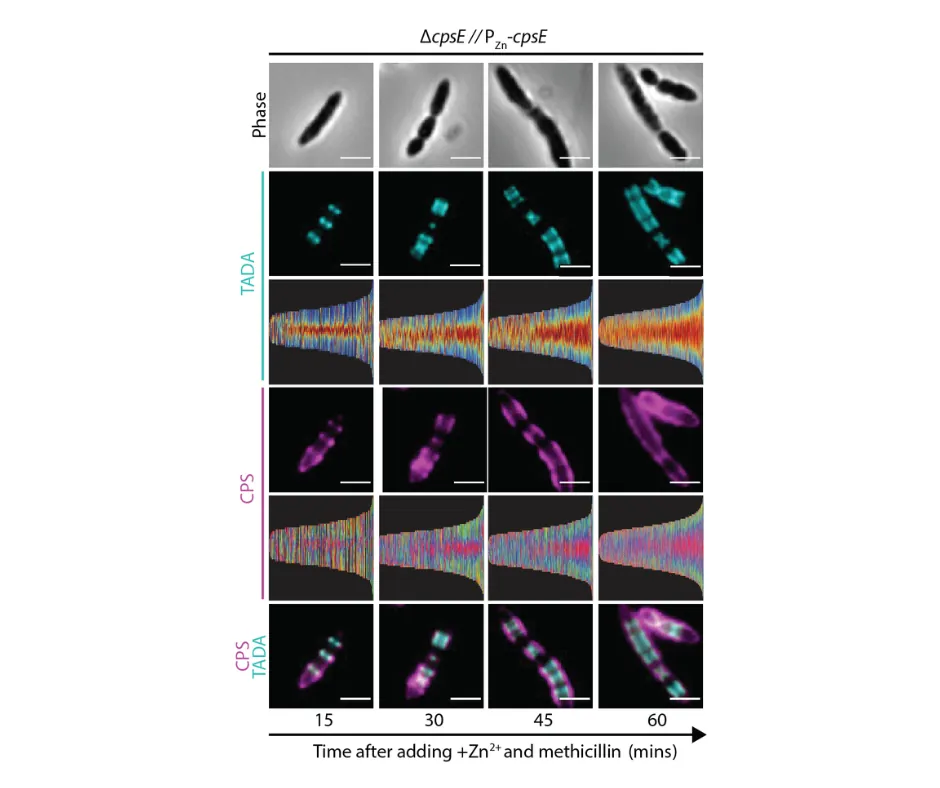
Time-lapse microscopy and kymographs of capsule and cell wall synthesis at the pneumococcal septum

Theme 02

Coordinating capsule and cell wall assembly

Capsule and cell wall synthesis must stay in balance for the bacterium to survive inside the host. We showed that the capsule synthesis machinery is integrated into the cell division complex. Capsule enzymes arrive at the division ring in sequence, starting with recruitment of the tyrosine kinase system CpsCD to the septum. If that sequence fails, the capsule no longer covers the septum and the cell becomes susceptible to complement. We are now studying how capsule synthesis is synchronised with the other layers of the cell envelope.

Related papers

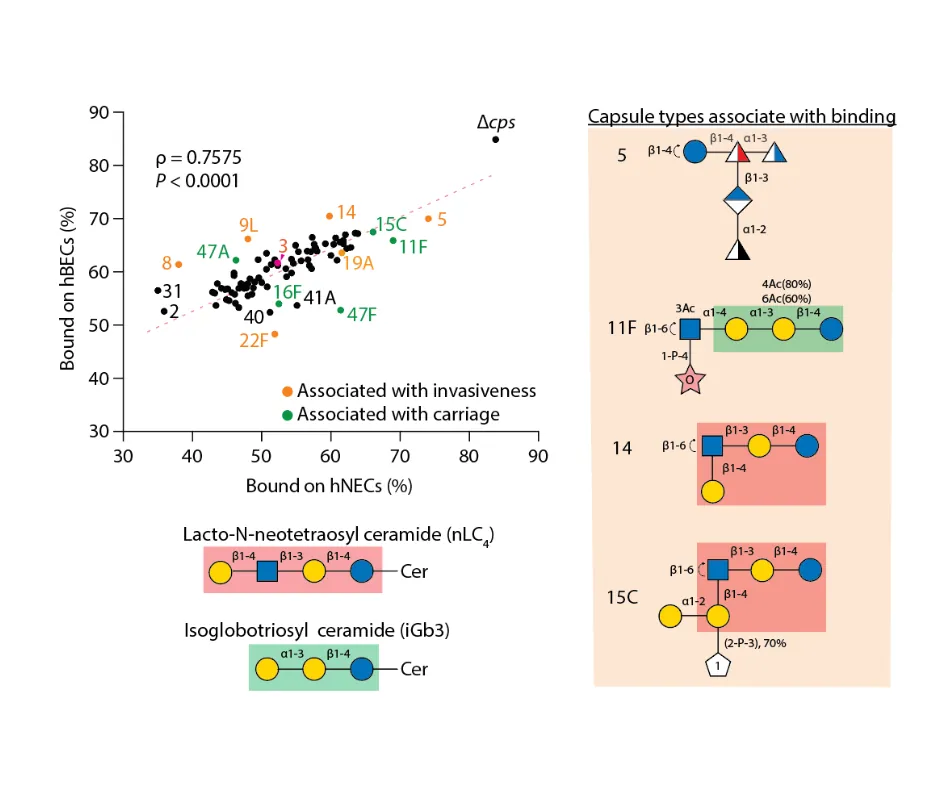
Binding of pneumococcal capsule types to human nasal epithelial cells, plotted against capsule structure

Theme 03

Linking capsule structure to function

We examine how variation in capsule structure changes the way pneumococci interact with host cells. Using human respiratory cultures, we study how specific glycan structures affect adhesion, shedding light on how these molecular patterns influence colonisation and immune evasion. The results inform the design of vaccines and therapies against pneumococcal disease.

Related papers

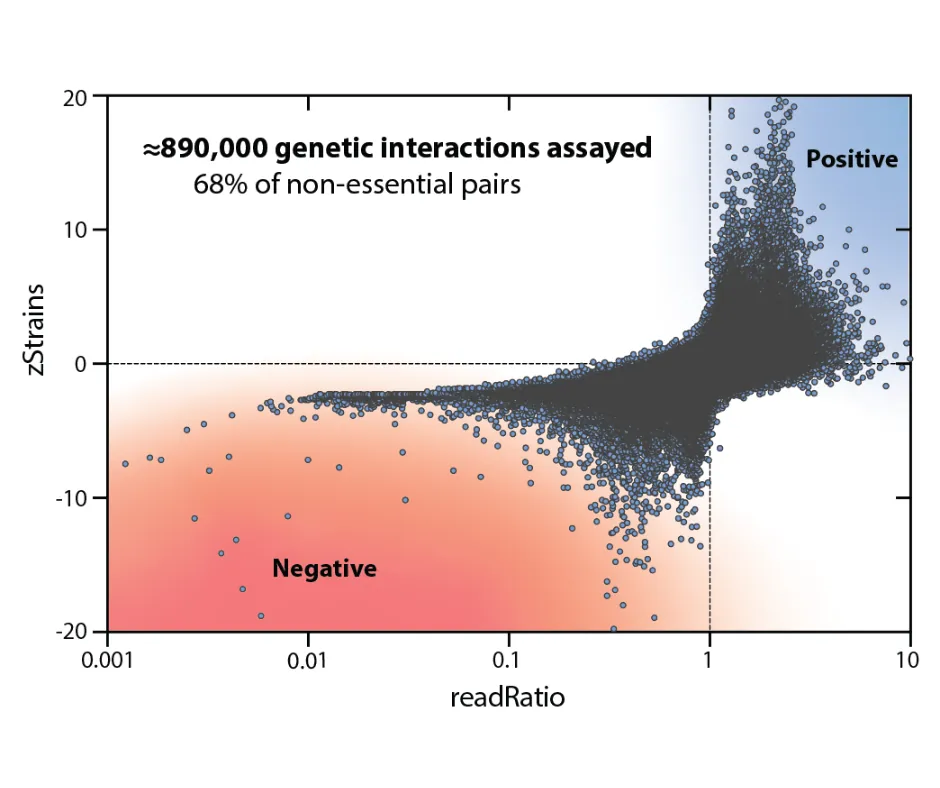
Scatter plot of about 890,000 gene-pair interactions from dual Tn-seq, with positive and negative interactions highlighted

Theme 04

Reinventing systems biology

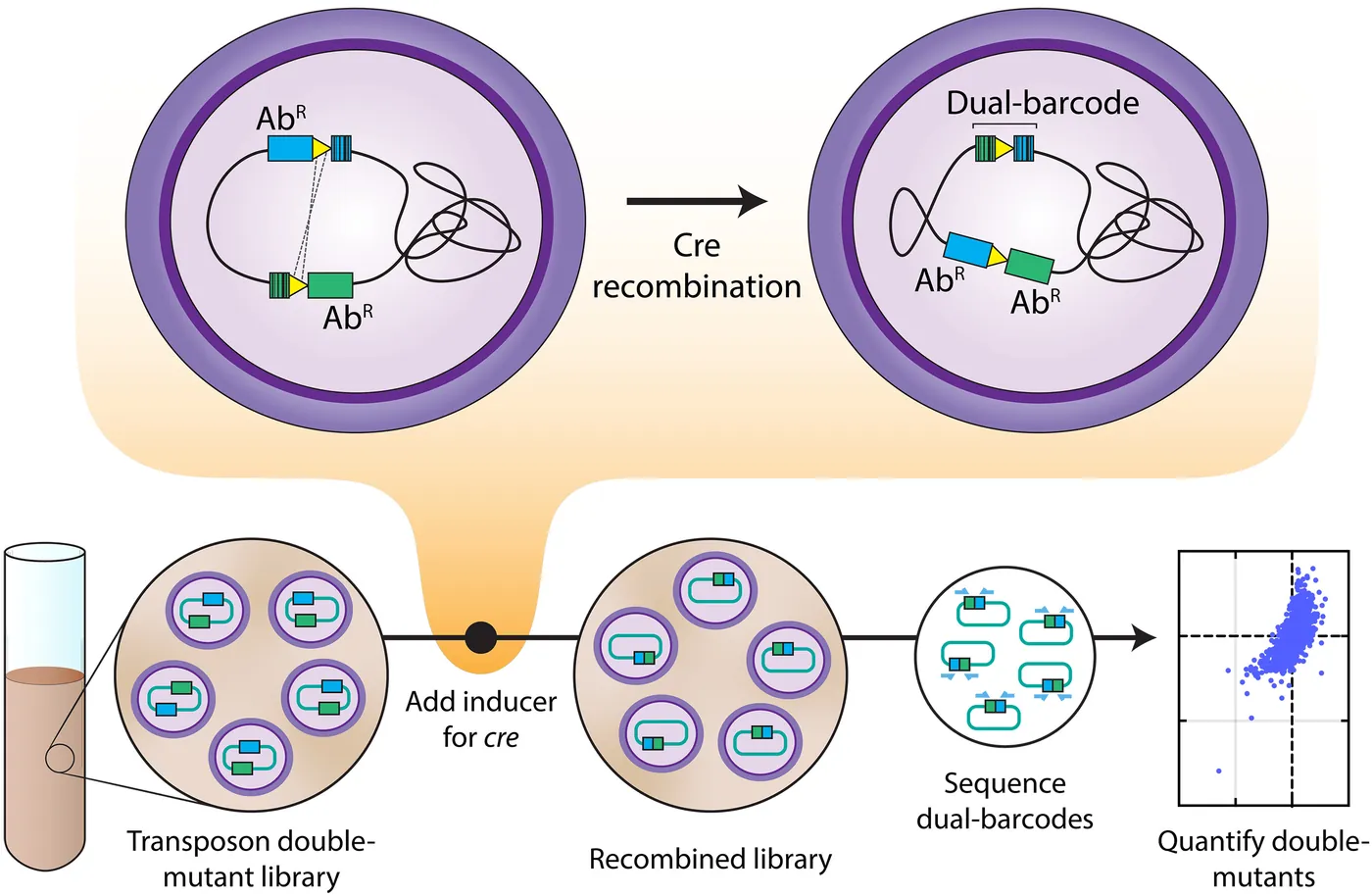
We develop high-throughput methods for mining genetic interactions to work out gene function. Dual Tn-seq combines randomly barcoded transposon sequencing (RB Tn-seq) with the Cre-lox system, and sampled 73% of the roughly 1.3 million possible double gene deletions in S. pneumoniae. This dataset is helping us find new factors in pathways long thought to be understood.

Related papers

Highlights

Selected studies in more depth

Summaries of recent papers. Each links to the full article.

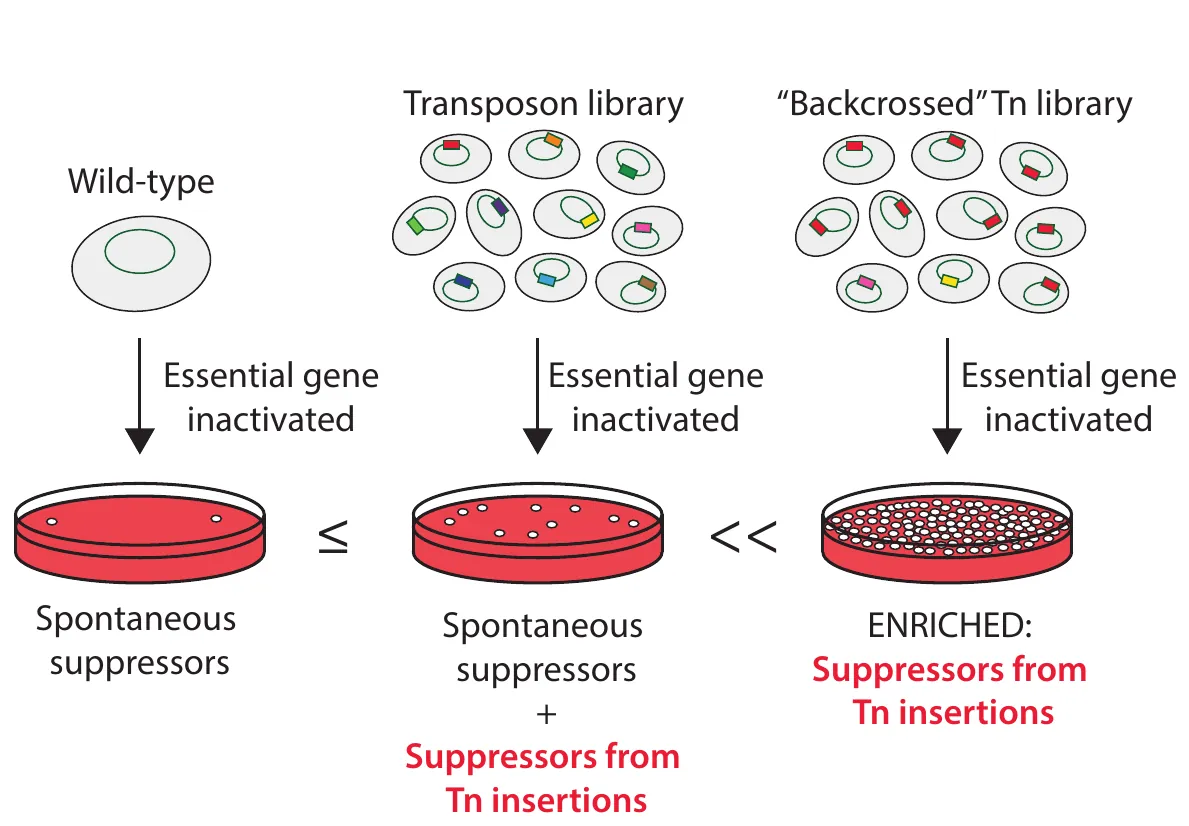
Sup-seq rationale: inactivating an essential gene in a barcoded transposon library, then in a backcrossed library, enriches suppressors caused by transposon insertions
Nature Communications · 2026

Genome-wide mapping of genetic suppression events in Streptococcus pneumoniae

Suppressor analysis has long been a powerful way to work out what essential genes do. Sup-seq brings it to genome scale: a single randomly barcoded transposon library, reusable to screen for suppressors of any essential gene, in which the insertions act through gene inactivation, overexpression or downregulation depending on where and which way they land. Applied to seven essential genes in the pneumococcus, it found 53 suppressors, including a new transcriptional regulator of chaperone and ribosomal protein expression, a bypass of the requirement for acetate kinase, and an unexpected link between phospholipid synthesis and potassium transport.

Read the paper →
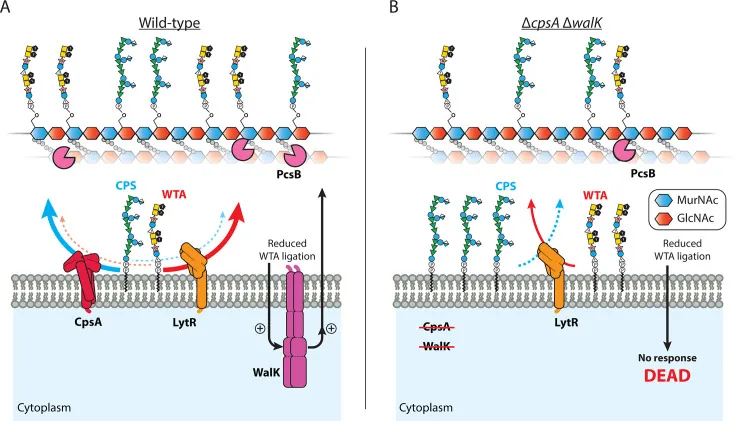
Working model: in wild-type cells CpsA attaches capsule and LytR attaches wall teichoic acid to peptidoglycan, with WalK sensing reduced WTA ligation; in the cpsA walK double mutant, LytR is overloaded, WTA is reduced and the cell dies
mBio · 2026

The WalRK two-component system in Streptococcus pneumoniae ensures robustness of secondary wall polymer attachment

A genetic screen uncovered a strong negative interaction between cpsA and walK. Without CpsA, capsule polymers compete with wall teichoic acids for the LCP ligases that attach them to peptidoglycan, and the resulting cell wall stress is sensed by the WalRK two-component system. Overexpressing the hydrolase PcsB, or disrupting the peptidoglycan-modifying enzymes PgdA and OatA, restores growth of the double mutant, and extra CpsA can make up for the loss of the other LCP ligases.

Read the paper →
Dual Tn-seq workflow, from a transposon double-mutant library through Cre recombination to sequencing of dual barcodes
Science · 2025

Dual transposon sequencing profiles the genetic interaction landscape in bacteria

Gene redundancy makes gene function hard to characterise, because deleting one gene often has no visible effect. Dual Tn-seq assays the fitness of a comprehensive pool of double mutants in parallel by coupling random barcode transposon site sequencing with the Cre-lox system. It sampled 73% of the 1.3 million possible double gene deletions in Streptococcus pneumoniae. The interactions span a wide range of biochemical processes and reveal new factors in supposedly well-studied pathways, such as the cytidine triphosphate synthase PyrJ. Because it does not need a large array of single mutants, the approach should adapt readily to other microorganisms and growth conditions.

Read the paper →
Barcoded capsule-switch strains and the heatmap of 6,320 flippase and cargo combinations
Science Advances · 2025

Massively parallel barcode sequencing revealed the interchangeability of capsule transporters in Streptococcus pneumoniae

MOP-family transporters flip lipid-linked glycan precursors across the membrane, but how they choose their cargo is unclear. Pneumococcal capsule flippases collectively move more than 100 types of capsule precursor. We built a high-throughput approach to test nearly 6,000 flippase and substrate combinations. Flippases fall into three groups: relaxed, type-specific and strictly specific. Cargo size and acetylation affect transport, and we isolated gain-of-function variants that can replace the peptidoglycan flippase MurJ. Combining flippase variants in one cassette lets diverse precursors be flipped, which may aid glycoengineering.

Read the paper →
Fluorescence microscopy of capsule and peptidoglycan synthesis in pneumococcal cells over time
PNAS · 2021

The bacterial tyrosine kinase system CpsBCD governs the length of capsule polymers

Bacterial tyrosine kinases (BY-kinases) regulate capsule synthesis and help pathogens survive in different host niches. We found that the BY-kinase CpsCD is required for growth of S. pneumoniae. Cells without functional cpsC or cpsD accumulate short capsule polymers and lyse, because the lipid carrier undecaprenyl phosphate is sequestered and peptidoglycan synthesis stalls. CpsD phosphorylation shortens capsule polymers by tuning CpsC activity, and pulse-chase experiments show that capsule and peptidoglycan synthesis are coordinated in space and time through CpsC and CpsD.

Read the paper →
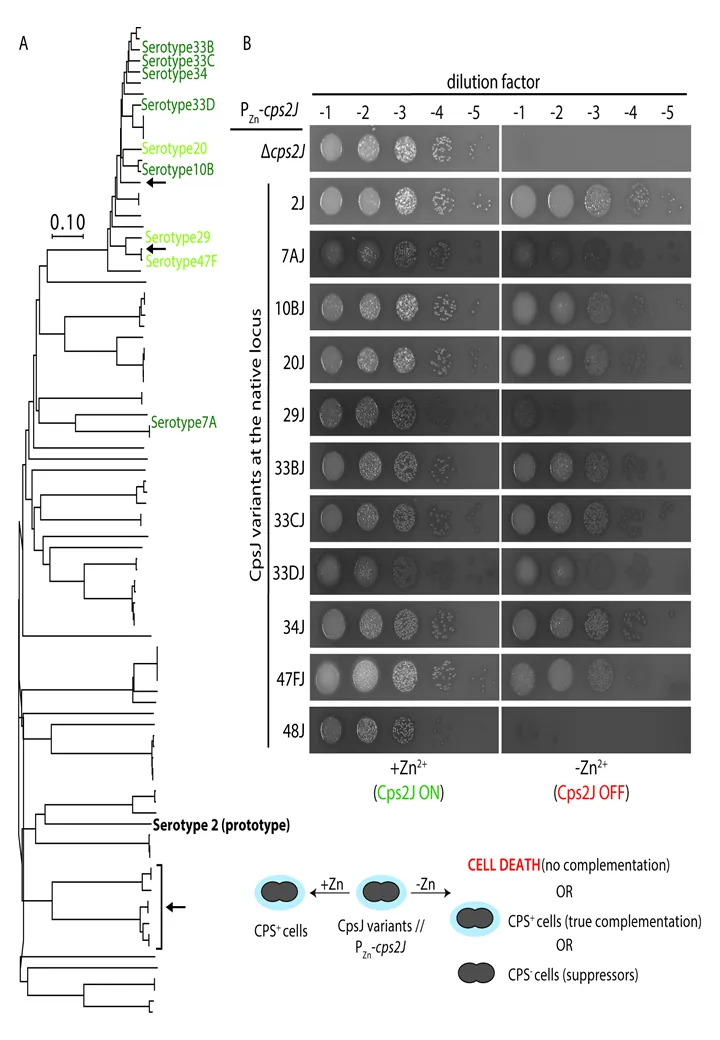
Cross-complementation of capsule flippases and residues important for transporter function
mBio · 2021

High-throughput mutagenesis and cross-complementation reveal substrate preference and critical residues of capsule transporters

We systematically tested the MOP transporters of the pneumococcal capsule pathway for their ability to move non-cognate capsule precursors. Sequence similarity does not predict interchangeability: subtle changes in the central aqueous cavity are enough to accommodate a different cargo, and such changes occur naturally. Directed evolution and Mut-seq revealed functionally important residues. A flippase that transports unfinished precursors increases bacitracin susceptibility and causes mild shape defects, which may be what keeps transporters specific.

Read the paper →

In the lab

Images from our work

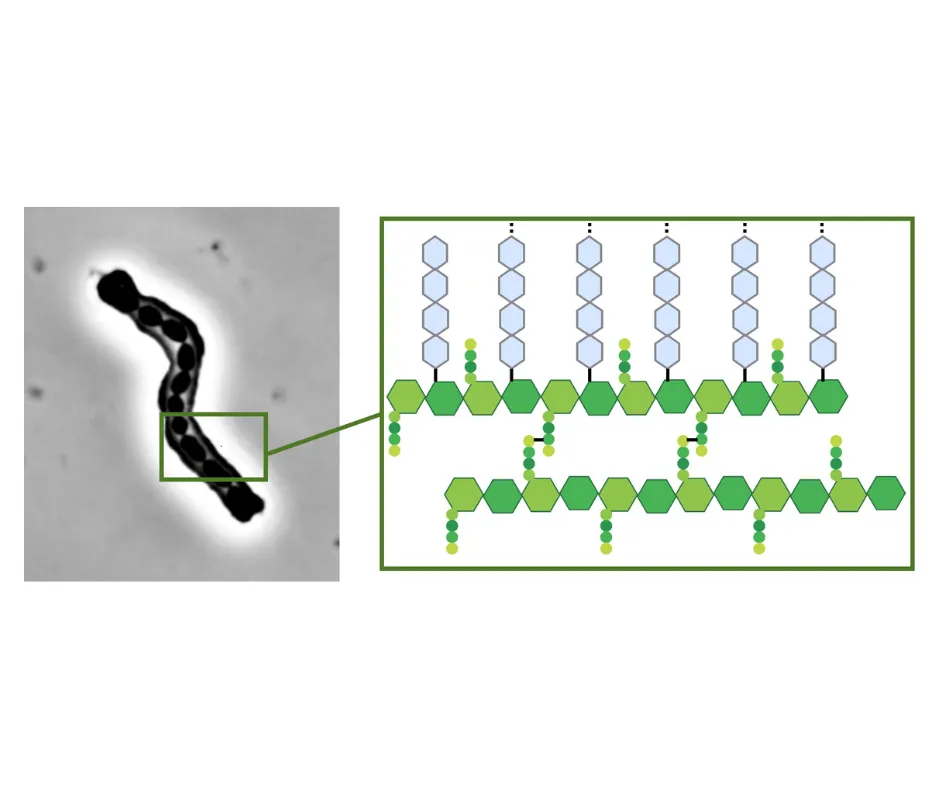
A pneumococcal chain and its capsule repeat units

A pneumococcal chain and its capsule repeat units

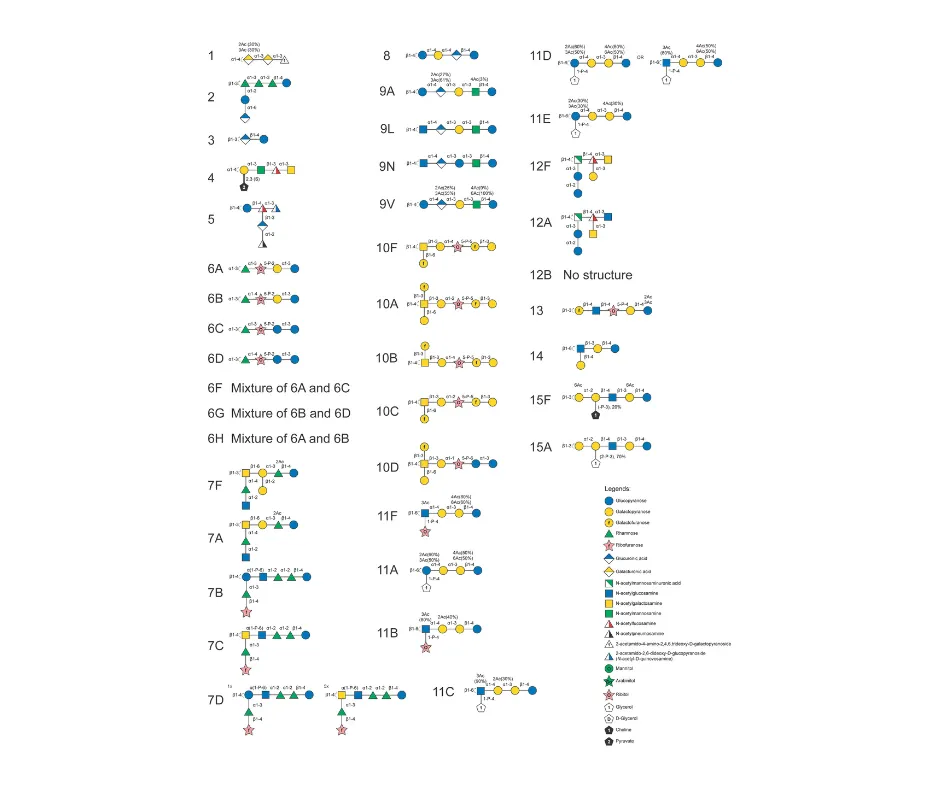
Capsule repeat-unit structures across serotypes

Capsule repeat-unit structures across serotypes

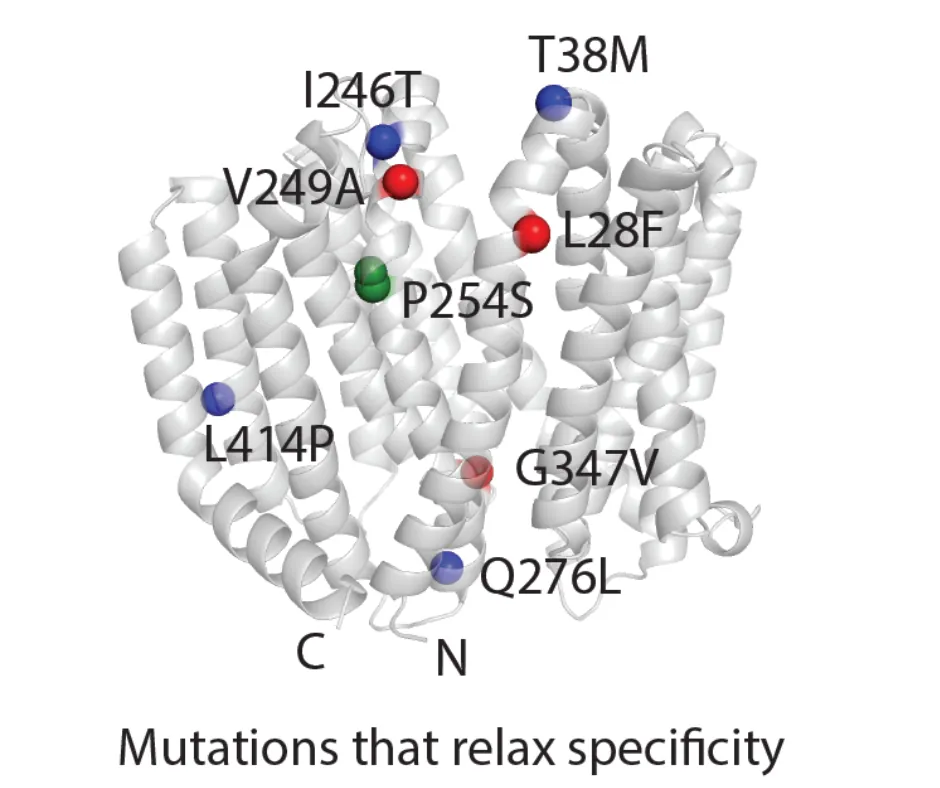
Flippase mutations that relax cargo specificity

Flippase mutations that relax cargo specificity

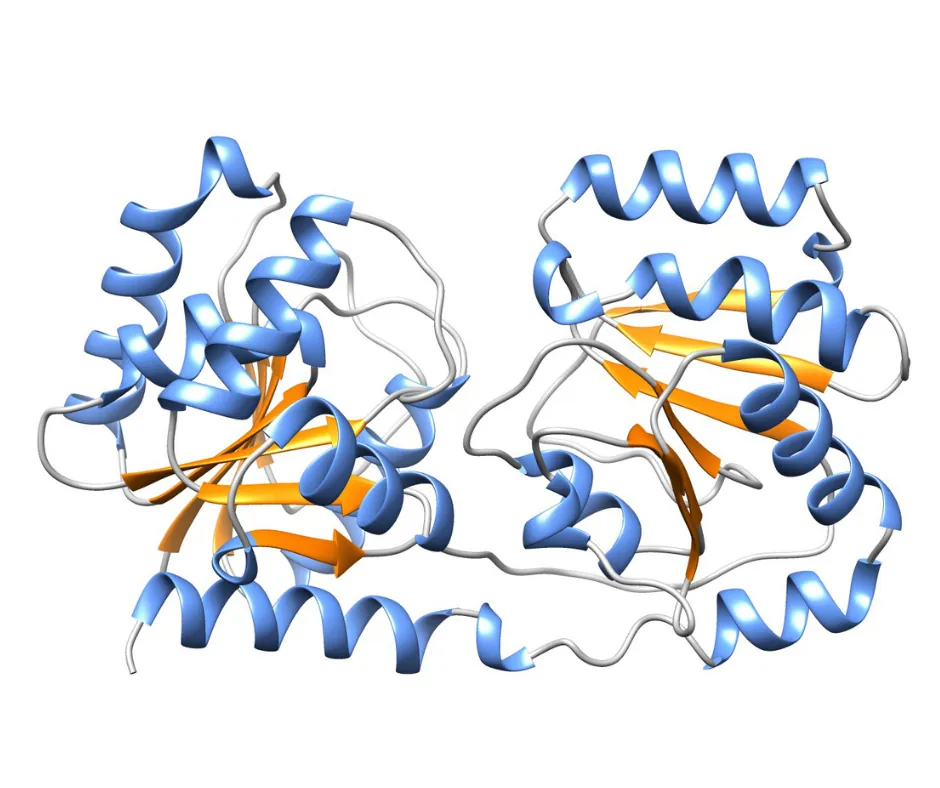
Structure of a capsule enzyme

Structure of a capsule enzyme

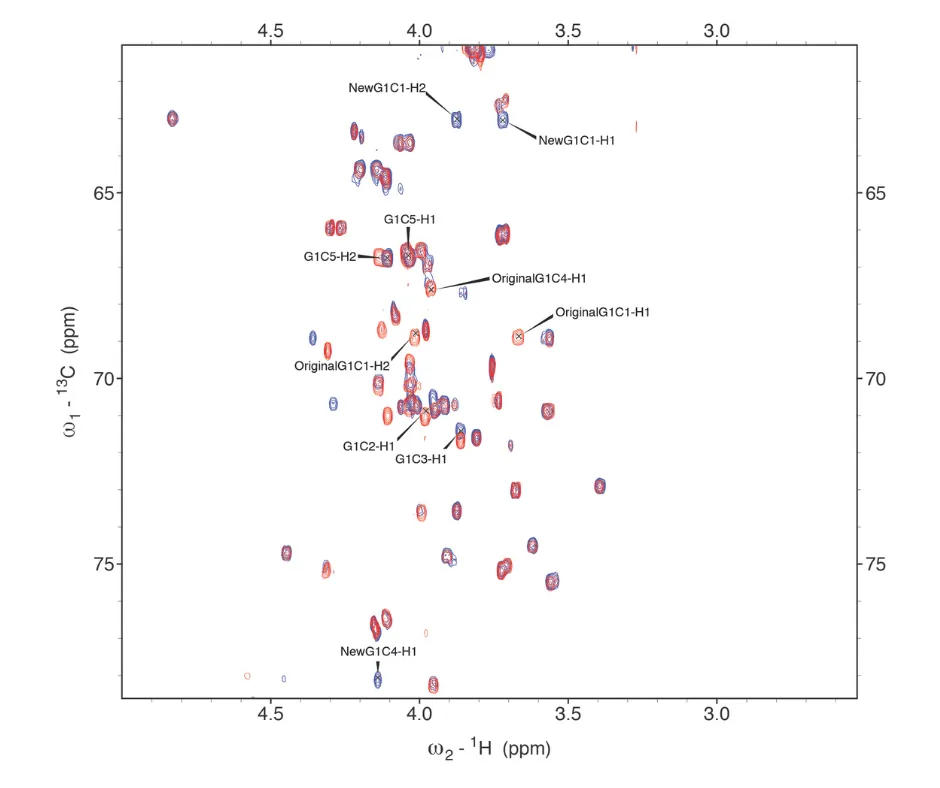
NMR spectrum used to solve a glycan structure

NMR spectrum used to solve a glycan structure

Rewiring capsule synthesis

Rewiring capsule synthesis

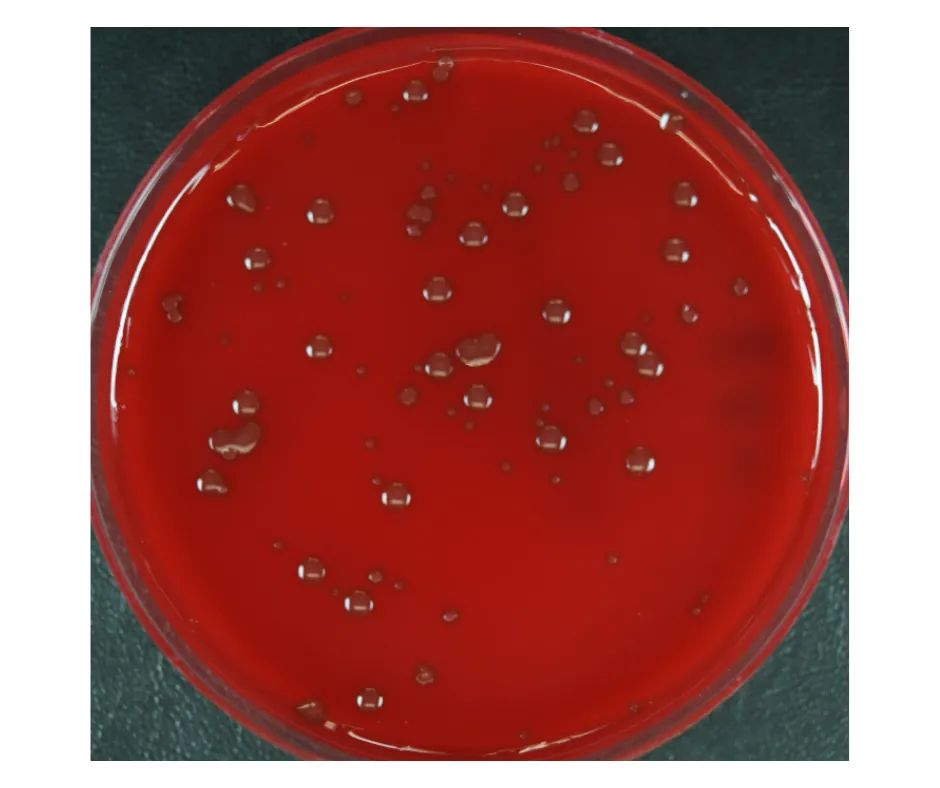
Pneumococcal colonies on blood agar

Pneumococcal colonies on blood agar

A tower of agar plates in the lab

A tower of agar plates in the lab